
CBC Radio: The internet is full of misinformation. That’s by design, experts say
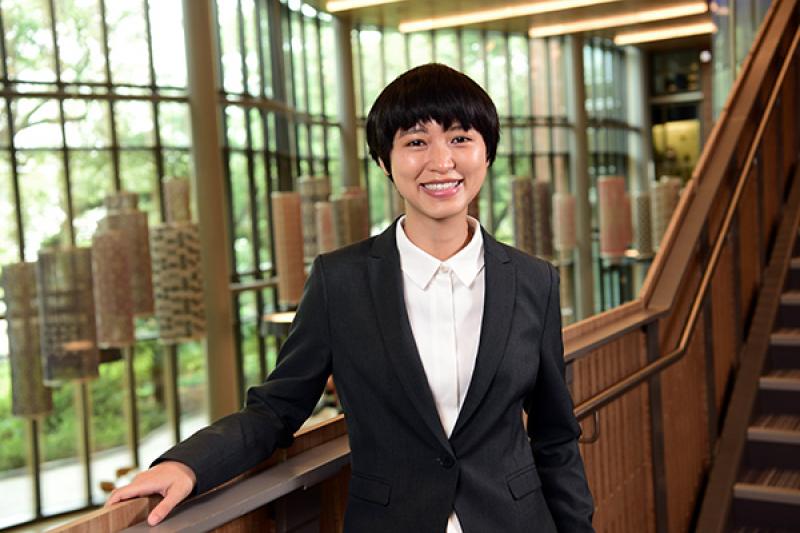
Eugina Leung, assistant professor of marketing, was interviewed for a CBC Radio story about the public’s vulnerability to online bias, misinformation and manipulation.
In another study from March, Tulane University assistant professor Eugina Leung investigated how results on search engines like Google, Bing and ChatGPT differ depending on the search terms used.
"What we find is that people tend to use search terms that lean toward what they already believe is true," said Leung. "Imagine, we asked participants to search for health effects of caffeine. If they believe that caffeine is quite likely to be harmful, then they're more likely to come up with search terms like dangers of caffeine, caffeine side effects, caffeine health risks."
These narrow search terms, Leung said, mean that the users are just receiving results that are tied to their beliefs.
To read the story about the interview, visit cbc.ca:
https://www.cbc.ca/radio/quirks/misleading-information-internet-1.7536124
Interested in advancing your education and/or career? Learn more about Freeman’s wide range of graduate and undergraduate programs. Find the right program for you.
Recommended Reading
Other Related Articles
- Research Notes: Daniel Mochon
- Industry leaders tackle AI, automation and Louisiana’s economic future at Tulane Business Forum
- WDSU News: Feast For Less: How to trim your Thanksgiving budget
- The Guardian: Tech’s biggest names sank a tax on billionaires’ wealth with $425m and a familiar playbook
- Experts weigh in on the future of consulting
- The Wall Street Journal: Selloff in U.S., European Government Bonds Deepens
- Research Notes: Zoe Lu
- Freeman jumps 11 spots in Bloomberg Businessweek MBA ranking